
What Peppol Onboarding Actually Means for Your Business

Peppol onboarding is the process of connecting your company to the Peppol eDelivery Network so you can send and receive standardized electronic documents. Think of it like getting a new phone number, but for business documents—you need a service provider (the access point), you get an address (your Peppol ID), and then you can exchange messages with anyone else on the network.
For most companies, this means choosing a certified Peppol access point provider who handles the technical complexity — you don't build the infrastructure or apply for accreditation yourself. The provider has already done the heavy lifting. Your role is integrating their service into your invoicing or ERP systems.
One real example: a mid-size manufacturing company spent three months researching specs before signing with a provider. Once they chose a partner, onboarding took two weeks. The network's routing and addressing model eliminates the need for separate country or partner connections.
Most businesses start Peppol onboarding due to regulatory requirements (B2G mandates) and quickly expand to B2B use because the standardized formats reduce manual errors.
Choosing Your Peppol Access Point Provider
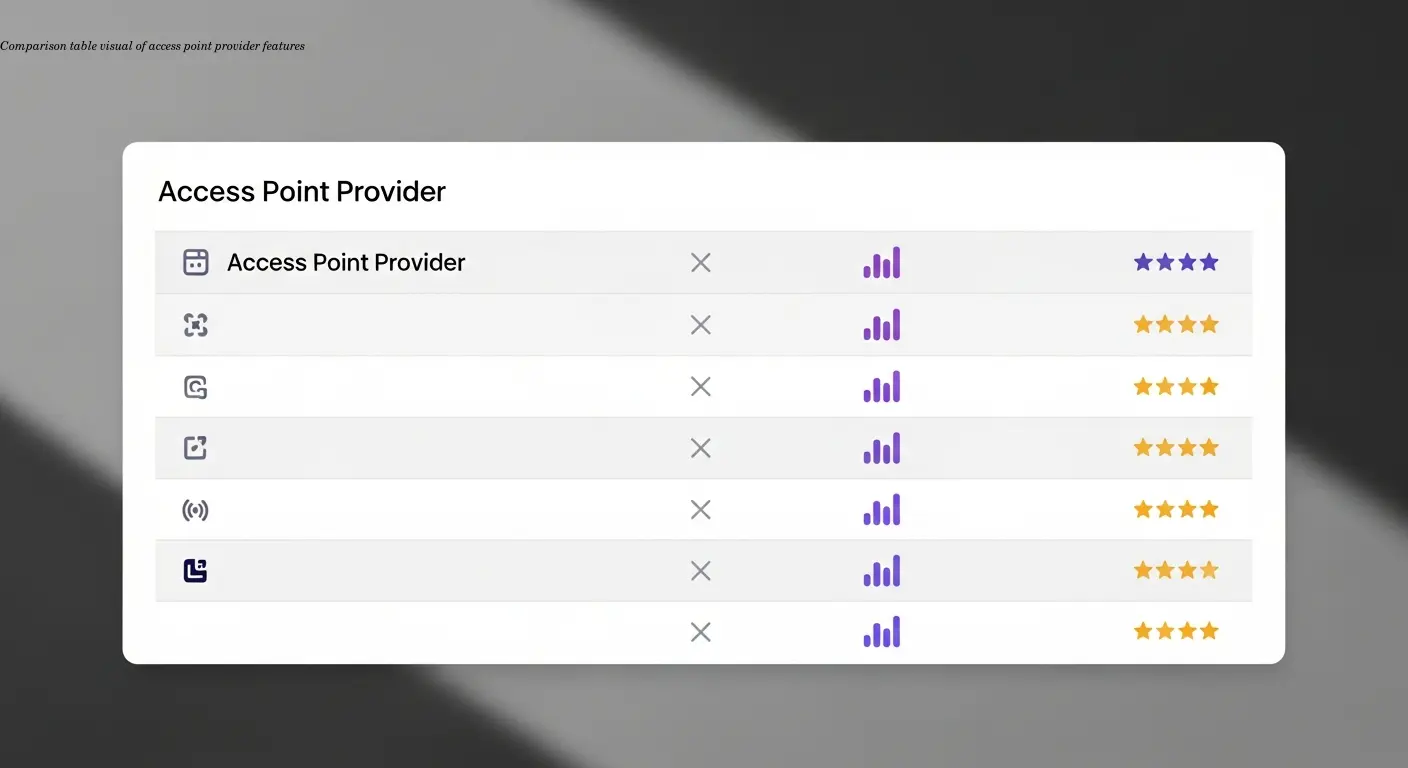
Your Peppol access point is the gateway between your systems and the Peppol network. Choose one carefully — this decision shapes scope, timeline, integration complexity, and ongoing operations.
Key evaluation points:
- Geographic coverage: Confirm support for the countries and authorities you need.
- Integration options: Portal vs API vs pre-built connectors for SAP, Microsoft Dynamics, etc.
- Service levels & support: Availability of phone support vs email tickets and incident response processes.
- Pricing models: Per-document, subscription tiers, or bundled services — model costs over 12–24 months.
- Security & data protection: Encryption, storage locations, certifications (ISO 27001, SOC 2), GDPR compliance.
Tip: For companies starting small, platforms such as e-rechn.de offer EU-compliant e-invoice creation and can integrate smoothly with Peppol onboarding.
The Five Steps of End-User Peppol Onboarding
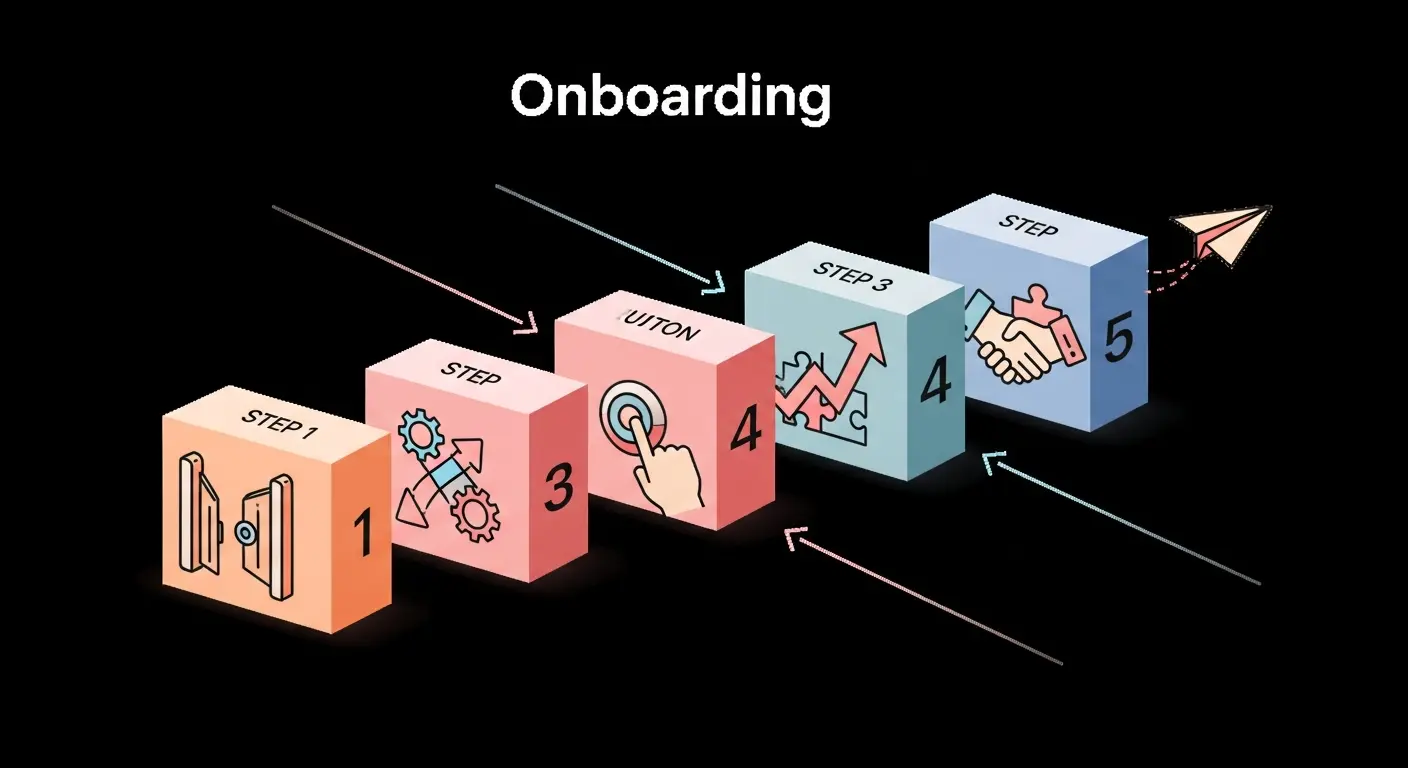
Most companies follow a standard five-step process when connecting through an access point:
Before connecting, learn how to create Peppol invoice files in the correct BIS format.
Step 1: Contract and scope definition
Sign a service agreement covering data protection, service levels, pricing, and compliance. Clarify which legal entities and document types are in scope and identify the trading partners or public authorities you need to reach.
Step 2: Company registration and Peppol ID assignment
Provide master data (legal name, addresses, VAT numbers). The provider verifies documentation and registers you as a Peppol participant. You receive one or more Peppol IDs — typically based on VAT or business registration numbers.
Step 3: Technical integration and configuration
Configure document mappings, authentication credentials or certificates, and connectivity between your systems and the access point. Providers supply documentation, sandboxes, and integration support.
Step 4: Testing and validation
Mandatory tests verify format, business rules, and routing. Send test invoices, handle errors, and fix mapping issues. Do not skip testing — it prevents production failures.
Step 5: Production go-live and operations
After passing tests, you switch to production. Share your Peppol ID with partners, monitor delivery, and set clear operations procedures for error handling and updates.
Timelines: portal-based onboarding can take 1–2 weeks; complex ERP integrations can take 6–8+ weeks. Add buffer time for unexpected technical issues.
Testing Requirements You Can't Skip
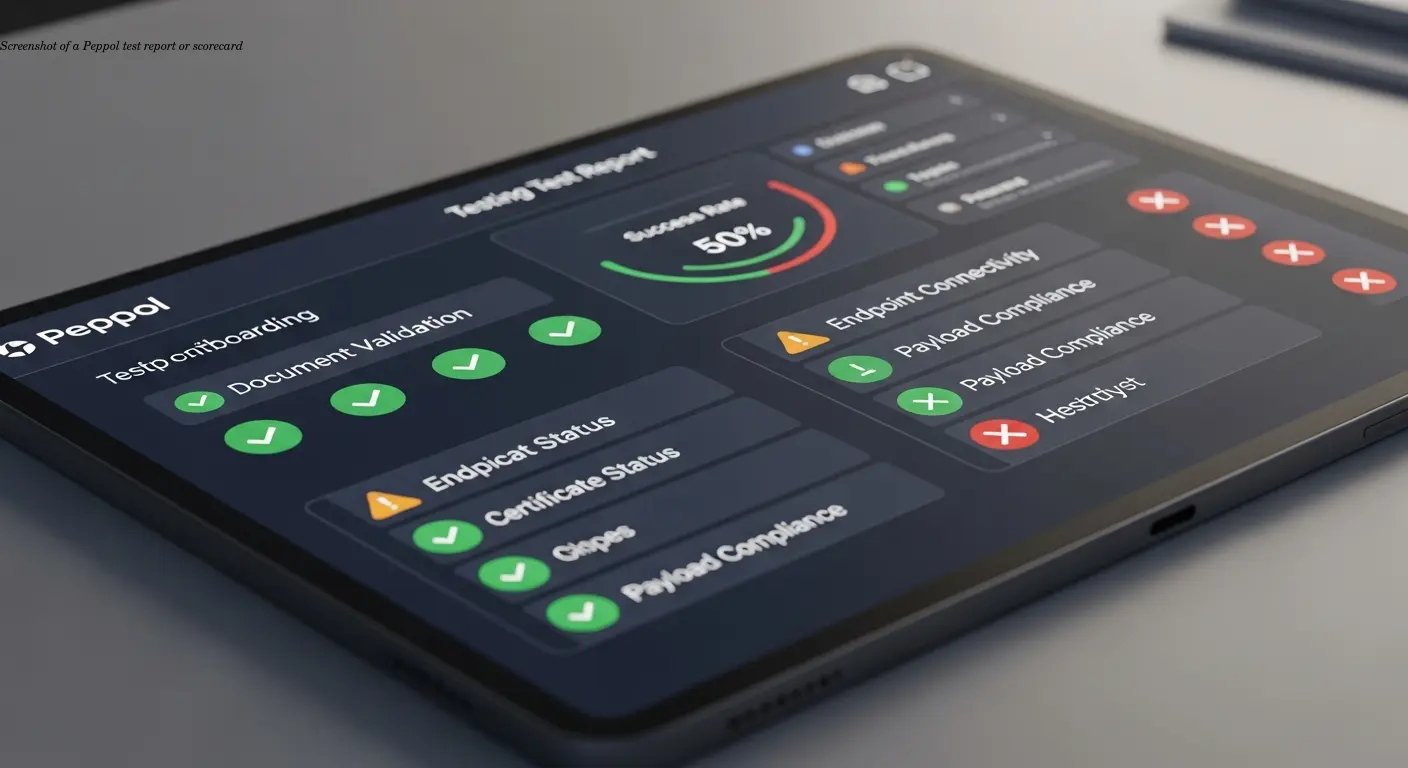
Testing is mandatory under the Peppol authority framework. Every participant must demonstrate compliance in a test environment before production exchange is allowed.
What tests cover:
- Format validation: XML/UBL structure must match Peppol BIS specs exactly.
- Business rule validation: Totals, tax calculations, and identifier schemes must be correct.
- Transport validation: Proper routing, certificates, and AS4 transport compliance.
Best practice: Use realistic test data that reflects actual customers, currencies, and tax scenarios. Treat failures systematically: fix, retest, repeat.
Keep sandbox access after go-live for onboarding new document types or troubleshooting production issues.
What Happens After You're Connected
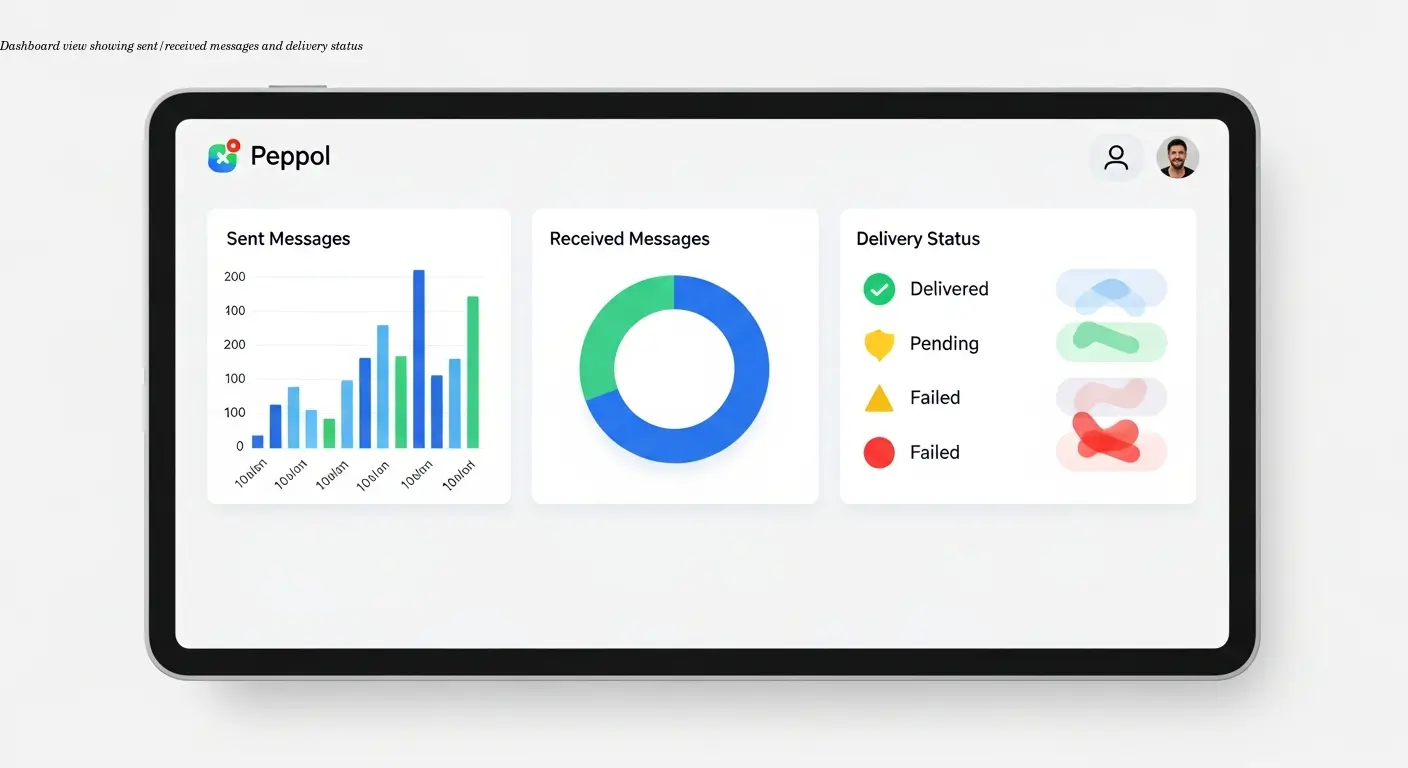
Go-live moves you into an operational phase. Expect changes to processes, monitoring needs, and partner coordination.
Operational realities:
- Train teams to monitor message status and handle delivery confirmations.
- Establish dashboards and daily checks for delivery and validation errors.
- Set error-handling procedures for failed or rejected documents.
- Maintain a registry of which partners use Peppol and which use alternate channels.
- Plan for compliance updates as Peppol specifications evolve.
Expansions (adding orders, despatch advice, more countries) are typically easier after initial onboarding because infrastructure is already in place.
How Service Providers Become Peppol Access Points
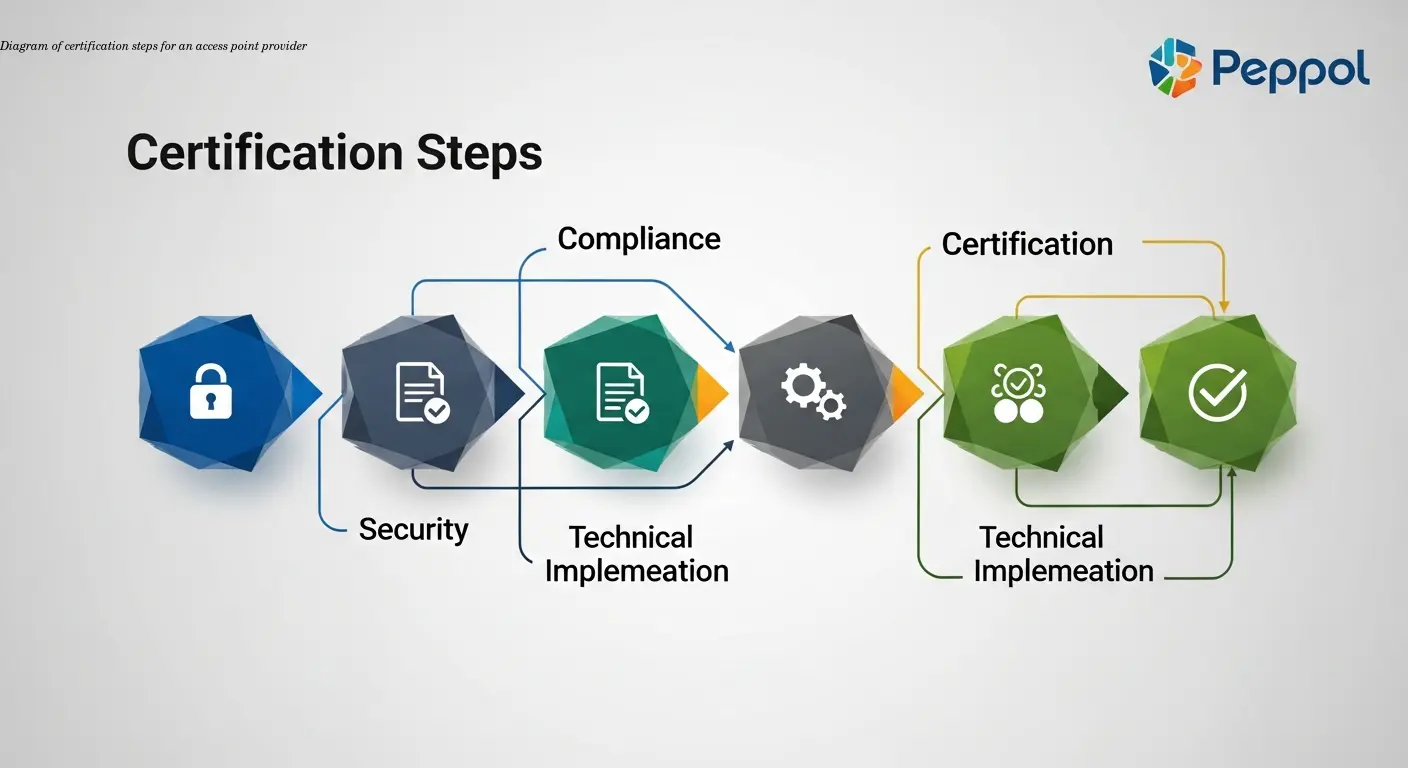
Becoming a certified access point is rigorous: membership with OpenPeppol or national authority, full technical implementation (AS4, PKI), interoperability testing, and operational readiness.
Key elements:
- Join OpenPeppol or national framework and accept governance obligations.
- Implement AS4, certificate handling, and Peppol BIS support.
- Pass comprehensive testbed validation — all tests must pass.
- Manage certificate lifecycle and integrate SML/SMP for participant discovery.
- Maintain logging, monitoring, incident response, and onboarding processes.
Accreditation for well-prepared providers typically takes 3–6 months — another reason most businesses use existing certified providers.
Common Onboarding Challenges and How to Avoid Them
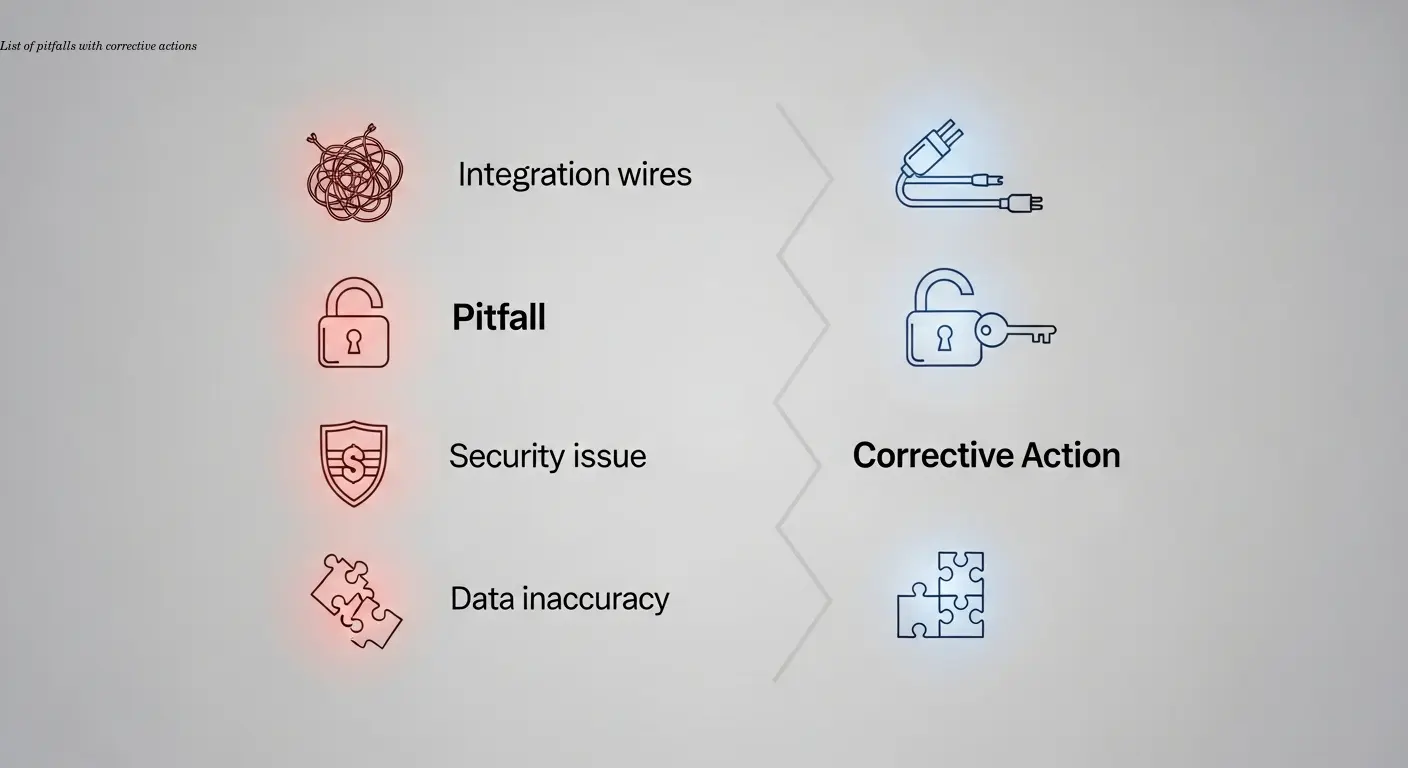
Recurring issues I see include:
- Underestimating timelines: Add at least 50% buffer to provider estimates.
- Poor master data quality: Use official documents for legal names, VAT numbers, and registration IDs.
- Wrong integration approach: Match integration (portal vs API) to your invoice volumes and needs.
- Rushed or unrealistic testing: Use production-like data and treat failures as learning opportunities.
- Lack of stakeholder involvement: Include finance, operations, compliance, and IT from the start.
- Trading partner coordination gaps: Plan partner rollouts and maintain fallback delivery methods.
- Neglecting ongoing operations: Assign owners for monitoring, error handling, and spec updates.
Starting with simple, compliant e-invoice creation tools (for example, platforms like e-rechn.de/en) can lower the learning curve before full Peppol adoption.
Making Your Onboarding Decision
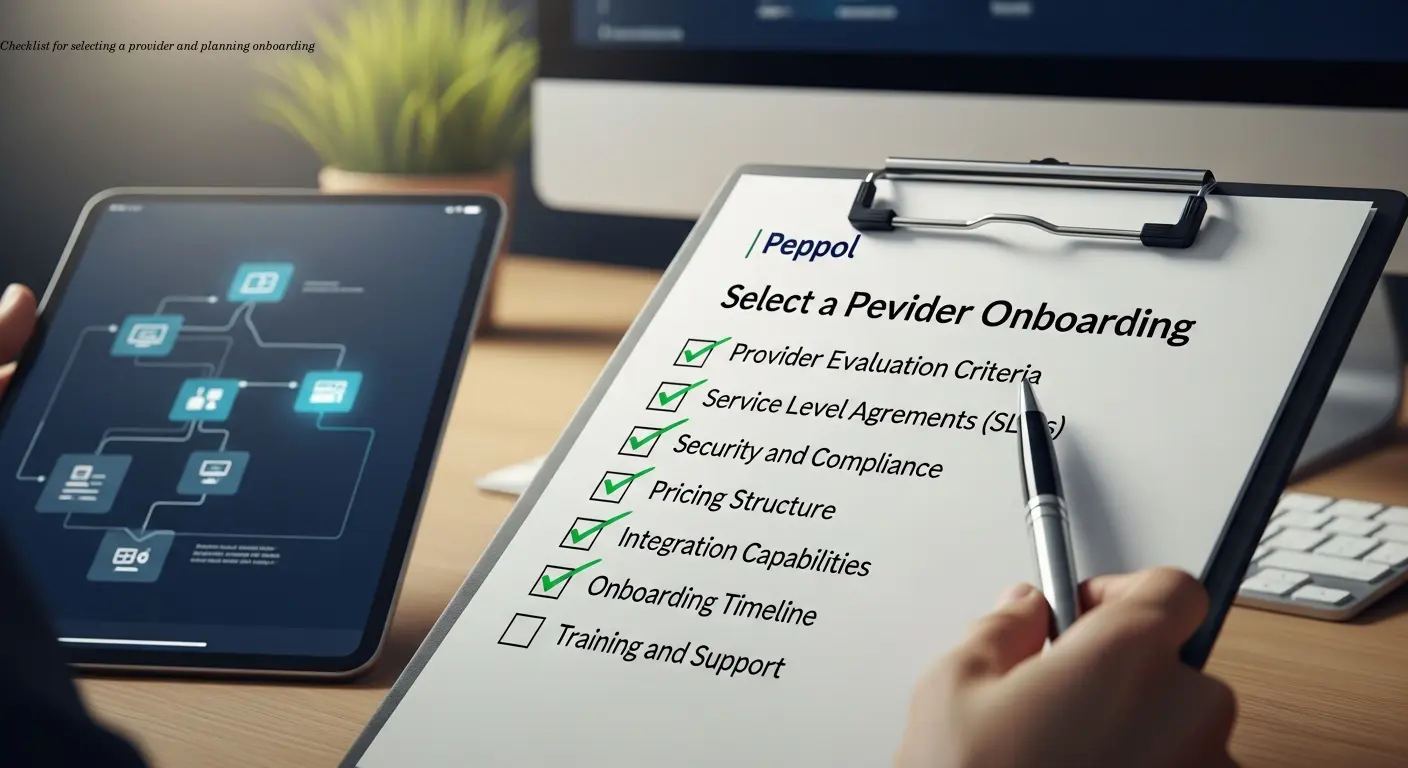
Peppol onboarding positions your business to handle regulatory mandates and streamline invoicing. To decide:
- Clarify required countries and authorities, monthly volumes, and current automation level.
- Choose a provider that matches real needs — don't overpay for unused enterprise features.
- Budget for provider fees, integration development, testing time, and internal resourcing.
- Plan for post-go-live operations: monitoring, error handling, and participant data updates.
The network is growing; connecting early reduces future friction. Start your e-invoicing journey today — even before full Peppol onboarding — with compliant invoice creation at e-rechn.de/en. Understanding formats and requirements now makes the eventual network connection smoother.
Frequently Asked Questions
How long does Peppol onboarding take?
Simple web portal onboarding can complete in 1-2 weeks. Complex ERP integrations with multiple entities and document types typically need 6-8 weeks. Timeline depends on your internal processes, data quality, and integration complexity. Testing always takes longer than you expect—plan accordingly.
Do I need technical expertise to onboard to Peppol?
Not necessarily. If you use a web portal provided by your access point, the process is mostly administrative (providing company details, learning the portal interface). API or ERP integrations do require technical resources—either internal IT staff or external consultants who understand your systems and data formats.
What does Peppol onboarding cost?
Costs vary widely by provider and approach. Web portal access might cost €20-100 per month plus per-document fees. API integrations can involve setup fees (€1,000-10,000+) plus monthly subscriptions. ERP connector licenses, consulting for custom integration, and testing time all add costs. Request detailed quotes from multiple providers.
Can I connect to Peppol myself without an access point?
Technically yes, but practically no for most companies. Becoming a certified access point requires joining OpenPeppol, passing technical conformance tests, obtaining certificates, and maintaining infrastructure. Unless you're a technology company offering this as a service, using an existing certified provider is far more practical and cost-effective.
What's a Peppol participant ID and how do I get one?
Your Peppol participant ID is your unique address on the network, similar to an email address. It's usually based on your VAT number or national business registration number. Your access point provider assigns it during the registration phase of onboarding. You might have multiple IDs if you operate legal entities in different countries.
What happens if my trading partner isn't on Peppol?
You'll need alternative delivery methods for partners not yet connected. Many companies maintain hybrid processes—Peppol for connected partners, email or web portals for others. Some access point providers offer services that convert Peppol documents to PDF and email them to non-Peppol recipients, creating a bridge during transition periods.
How do I know if my invoices meet Peppol format requirements?
Your access point provider validates all documents against Peppol specifications before sending. Failed validation generates error reports explaining what's wrong. During testing, you'll verify your formats extensively. Many providers offer pre-validation tools or plugins for popular accounting software that check invoices before submission.
Do all European countries use Peppol?
Peppol is widely adopted but not universal. Many European countries mandate or strongly encourage Peppol for B2G invoicing. Some (like Italy and France) have parallel national systems. Germany is implementing mandatory e-invoicing that will likely use Peppol alongside other options. Your access point provider should guide you on country-specific requirements.
What if Peppol specifications change after I've onboarded?
The Peppol authority periodically updates specifications—new document versions, changed validation rules, additional features. Your access point provider should notify you of changes and their impact. Most updates have transition periods where old and new versions coexist. You'll need to update your systems to maintain compliance, but changes are managed gradually to avoid disrupting the network.
Can I change access point providers later?
Yes, though it requires re-onboarding with the new provider and coordinating the transition. Your Peppol participant ID might change (depending on how it was structured), which means notifying trading partners of the new address. Plan provider changes carefully to avoid disrupting document delivery during the transition.